
There is a number in your CRM that nobody looks at: the count of leads you paid to acquire, contacted once or twice, and then stopped contacting.
It is usually large. It is usually growing. And it is the only source of pipeline where the expensive part, getting a qualified person to raise their hand, has already been done and paid for.
The reason it sits there is not laziness. It is that re-engagement is unglamorous, hard to do well, and easy to do badly enough to generate complaints. So it gets deferred, and every quarter the pile gets bigger.
The short version
- Cold usually means nobody followed up, not that anyone said no.
- Age is the least useful thing on the record. Sort by what happened instead.
- The recoverable share is the segment where something has changed since, a new role, a new company, a new reason to care.
- Suppression matters more than copy. One email to an existing customer undoes the whole campaign.
First, work out what is actually sitting there
Before writing anything, put a number on it. Two inputs get you most of the way: how many leads have gone cold, and what you paid to acquire one.
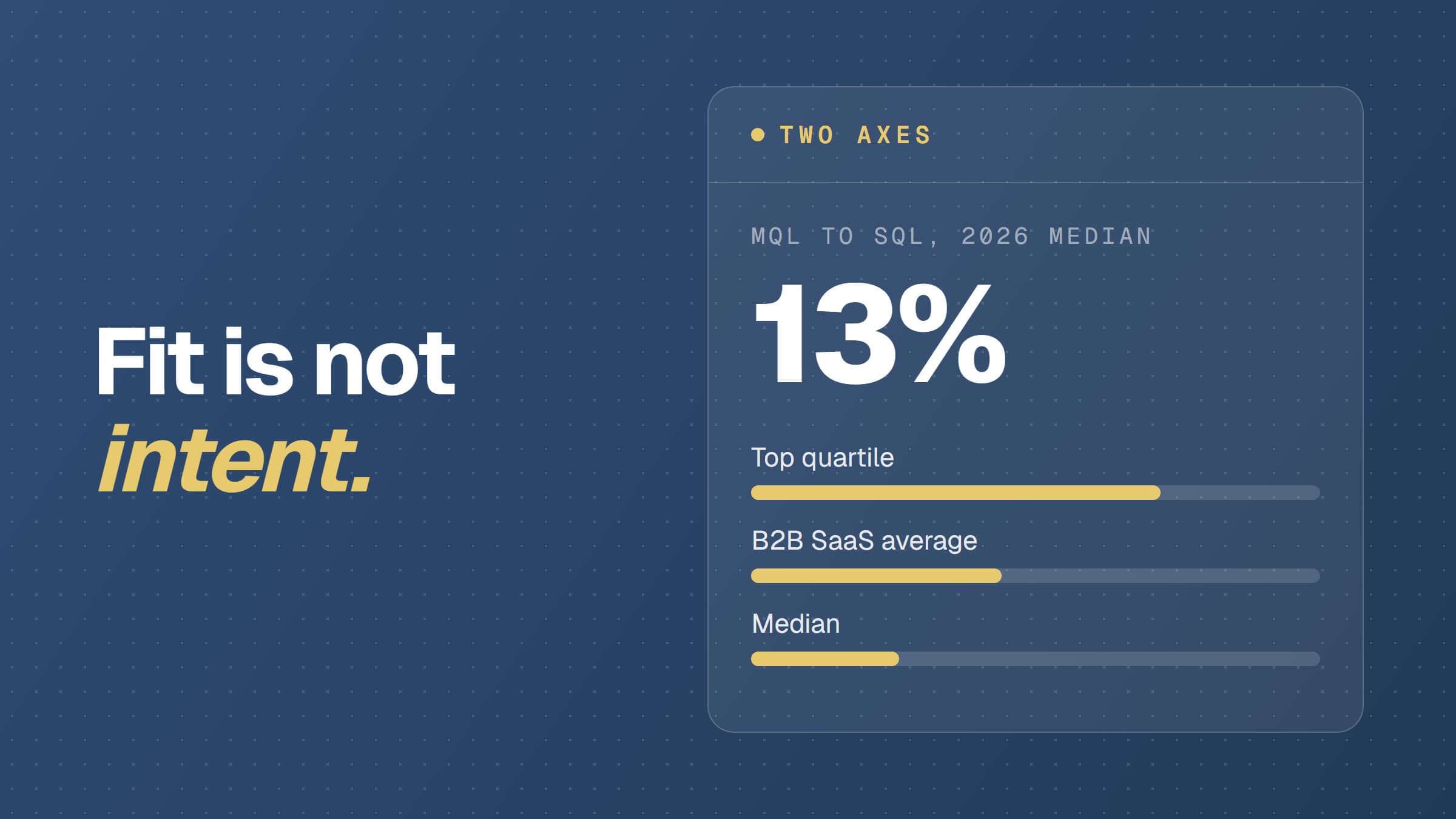
The 2026 median B2B cost per lead is about $213, up from roughly $198 the year before, and the spread is enormous, from around $84 in the top quartile to $397 in the bottom. Take the median: a database of 1,000 cold leads represents somewhere near $213,000 of acquisition spend already committed. That money is gone whether or not you ever email them again.
Be careful with the recoverability figures that circulate, they are vendor estimates rather than controlled studies, and they vary by an order of magnitude. The number that is actually defensible is the one you already own: your own cost per lead, multiplied by the count sitting untouched. Start there, and treat any recovery percentage as something to measure rather than assume.
What “cold” usually means: Nobody followed up. Not that they said no, that a sequence ended, a rep left, a quarter closed, or the lead arrived in a week when the queue was full.
What it costs you: Nothing new, which is the point. The acquisition spend has already left the bank. Re-engagement is the only channel where the expensive part is already paid for.

Sort by what happened, not by how long ago
Most re-engagement campaigns fail at this step. Someone exports everything older than six months, writes one email, and sends it to the lot. The result is a low reply rate, a spike in unsubscribes, and an internal conclusion that the database was worthless.
It was not worthless. It was undifferentiated.
Sort by what happened, not by age: A lead that replied twice and then went quiet is a different asset from one that never opened anything. Age is the least informative field on the record.
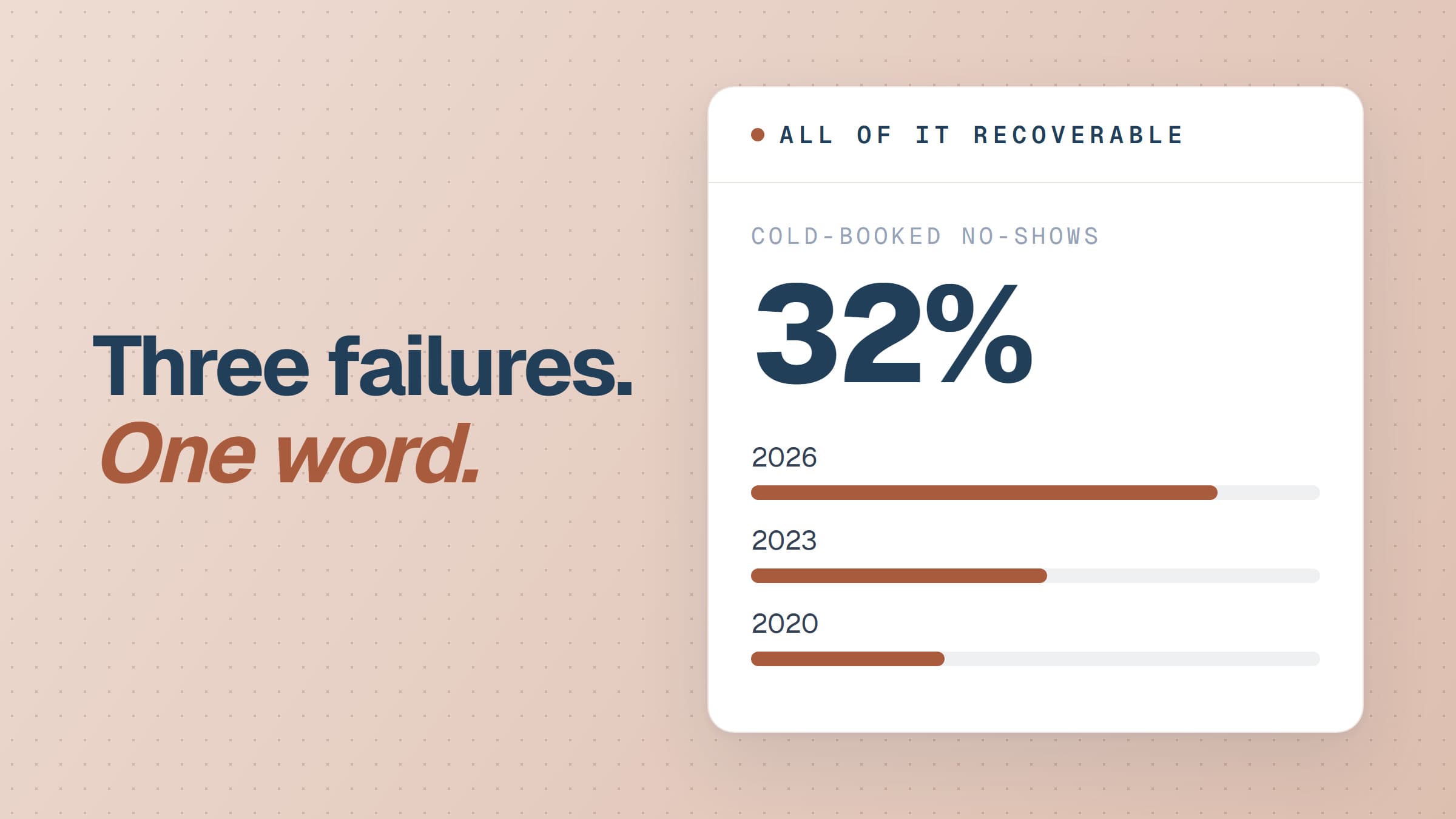
Four segments cover most databases. People who engaged and then went quiet. People who booked and never showed. People who were disqualified for a reason that may have expired, too small, wrong region, no budget. And people who never engaged at all, who are usually not worth the send.
The first three are where the recoverable pipeline is. The fourth is where campaigns go to generate complaints.
A lead that replied twice and then went quiet is a different asset from one that never opened anything. Age cannot tell them apart.
Then find out what has changed
This is the part that separates a recovery campaign from a nag. A cold lead is only worth contacting if something is different now, and something usually is, because the database has been sitting still while the world has not.
Check what has changed since: People move. Companies raise, hire, get acquired, adopt the thing you integrate with. A dead lead at the old company is a warm one at the new company, and nothing in your CRM will tell you unless something goes and looks.
The changes worth looking for are ordinary. They changed jobs, which means the objection that killed the deal belonged to a company they no longer work at. Their company raised, or crossed a headcount threshold, or hired the role that owns your category. The thing they said you did not integrate with, you now integrate with.
At the volumes involved this cannot be done by hand, which is the honest reason most teams skip it. Enrichment and research across a few thousand records is what makes the segmentation real rather than theoretical.
Write like someone who knows time has passed
The failure mode here is a template that opens as though the last eighteen months did not happen. People notice, and it reads as a mail merge finding their name in a spreadsheet, which is exactly what it is.
Lead with the reason you are back: The worst re-engagement email is the one that pretends no time has passed. The best names the gap and gives a reason for the timing, a change at their company, a change in your product, or an honest admission that the thread was dropped.
Three things make a re-engagement message work. Name the gap, briefly and without apology. Give the specific reason you are writing now. And make the ask smaller than the one they did not answer last time, a question beats a demo request.
The reason context matters more here than in cold outbound is that these people already met you. A message that ignores the prior thread is not just impersonal, it is visibly wrong.
Suppression is the part that goes wrong
Nothing sinks a recovery campaign faster than sending it to the wrong person, and a cold database is full of records that have quietly changed status since anyone last looked at them.
Suppress before you send: Existing customers, open opportunities, people already in a live sequence, anyone who unsubscribed. Getting this wrong turns a recovery campaign into a complaint.
Run the list against your CRM before anything goes out, not to deduplicate, but to check current state. Somebody in that export became a customer eight months ago. Somebody else is mid-negotiation with a rep who will not enjoy finding out this way.
Lazure checks account ownership and existing records before a sequence fires, which is the same mechanism that stops an inbound lead being routed to a stranger, applied to an outbound list.
What good looks like
A re-engagement programme that works is not a campaign. It is a standing rule: when a lead goes cold, it goes into a segment, and when something changes about that lead or their company, it comes back out.
That is a better use of the pile than an annual export. It also means the number nobody looks at stops growing, which is worth something on its own.
If you want a figure to take to a planning conversation, start with your own two inputs, how many have gone cold, and what a lead costs you. The total is usually larger than people expect, and it is the least contentious budget line in the business, because you have already spent it.
How Lazure runs this
Re-engagement is mostly a data problem wearing a copywriting costume, which is why it stalls.

Upload the cold list and enrichment refreshes every record, including whether the person still works there, which is the single most common reason a dead lead is alive again. AI research surfaces what changed at the company since you last spoke. Segmentation then runs on those results rather than on age.
Before anything sends, the list is checked against your CRM for existing customers, open opportunities, live sequences and account ownership. The AI SDR writes from the prior thread rather than from a template, so the message knows what was already discussed.